 LANGUAGE
  English
 русский
 中文简体
中文简体Introduction to Blue Plastic Valves
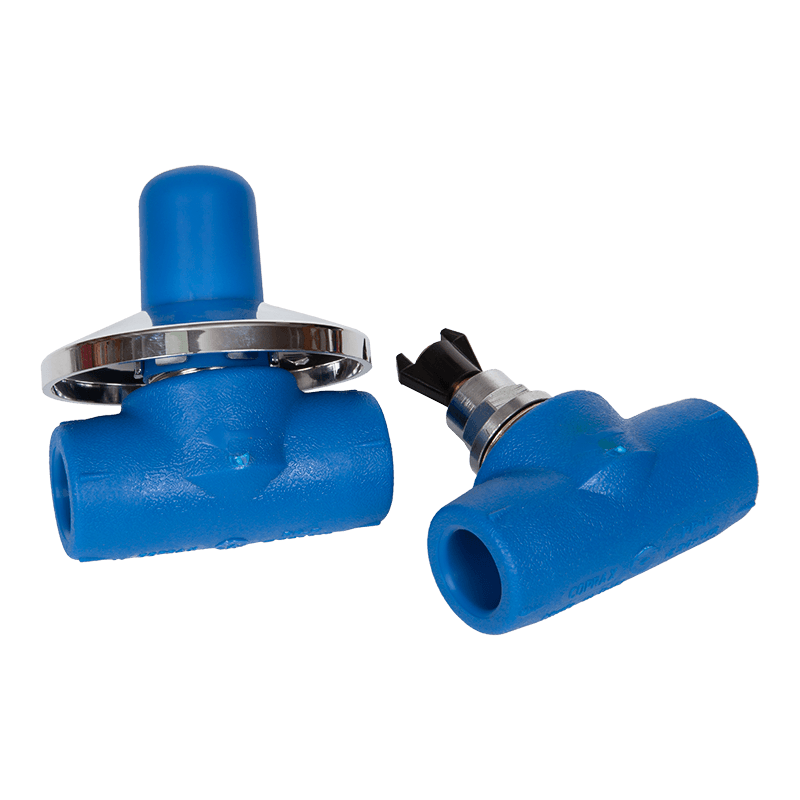
Blue plastic valves are widely used in plumbing, irrigation, and industrial fluid control systems due to their lightweight construction, ease of installation, and corrosion resistance. They are typically made from materials such as polypropylene (PP), polyvinyl chloride (PVC), or high-density polyethylene (HDPE), which offer a balance of chemical resistance, mechanical strength, and durability. Understanding how these valves perform under extreme conditions, including high or low temperatures, high pressure, and aggressive chemical exposure, is essential for ensuring reliability and safety in fluid systems.
Material Properties and Mechanical Strength
The performance of blue plastic valves under extreme conditions largely depends on the material from which they are manufactured. Polypropylene provides good chemical resistance and moderate temperature tolerance but may soften at elevated temperatures. PVC is stronger and maintains rigidity under higher pressures but can become brittle in cold conditions. HDPE offers flexibility and resistance to impact and stress cracking. The combination of material selection and wall thickness determines the valve's ability to resist cracking, deformation, and leakage under operational stresses.
Resistance to High Temperature
Exposure to high temperatures can affect the mechanical stability of plastic valves. As temperature increases, some plastics may soften, leading to deformation, reduced sealing efficiency, or permanent structural changes. Valves designed for elevated temperatures often include thicker walls, reinforced ribs, or heat-stabilized materials to maintain integrity. It is crucial to ensure that the operating temperature range of the blue plastic valve aligns with the expected system conditions to avoid deformation or leakage over time.
Resistance to Low Temperature
Extreme cold can lead to brittleness in certain plastics, increasing the risk of cracking under mechanical stress. PVC valves, for instance, may become more susceptible to fractures if handled roughly or subjected to sudden impact in freezing conditions. Polypropylene and HDPE generally offer better low-temperature flexibility, reducing the likelihood of cracking. Proper selection based on climate and operational conditions ensures that valves remain functional without compromising safety.
Pressure and Load Considerations
Plastic valves are designed to withstand specific pressure ranges. Exceeding these limits can cause deformation, internal stress, or eventual failure. High-pressure systems place stress on the valve body, joints, and seals, potentially leading to leakage or rupture. Incorporating appropriate safety margins, reinforcement features, and correctly rated pressure specifications mitigates the risk of damage under load. Understanding both static and dynamic pressures in the system is essential to prevent valve failure.
Chemical Resistance and Corrosion Prevention
Plastic valves are commonly chosen for their resistance to chemical corrosion. However, prolonged exposure to strong acids, bases, or solvents can degrade the material, causing swelling, softening, or micro-cracking. Selecting a valve material compatible with the chemical properties of the fluid is critical to ensure long-term durability. Additionally, regular inspection and maintenance prevent unnoticed chemical attack from compromising the valve and causing leakage or deformation.
| Property | Polypropylene (PP) | PVC | HDPE |
|---|---|---|---|
| High Temperature Resistance | Moderate | Moderate to High | Moderate |
| Low Temperature Resistance | High | Moderate | High |
| Chemical Resistance | High | Moderate to High | Moderate |
| Pressure Tolerance | Moderate | High | Moderate |
Design Features Enhancing Durability
Blue plastic valves often include design elements such as thicker walls, internal ribs, and reinforced joints to enhance mechanical strength. Sealing surfaces may be precision-molded to maintain leak-proof performance, while stem and handle areas are reinforced to prevent breakage during operation. Some valves incorporate flexible materials in critical zones to absorb stress, reducing the likelihood of cracking or deformation under extreme conditions. Proper design ensures that valves maintain functionality throughout their service life.
Maintenance Practices to Prevent Failure
Regular maintenance is important to ensure that blue plastic valves remain free from cracking, deformation, or leakage. Inspections should check for signs of wear, material fatigue, or chemical attack. Cleaning the valve and surrounding piping helps prevent buildup that can create localized stress points. Lubrication of moving parts, when compatible with the material, reduces friction and wear. Prompt replacement of worn seals or damaged components preserves overall system performance.
Impact of Extreme Operating Conditions
Extreme conditions such as rapid temperature fluctuations, sudden pressure surges, or exposure to incompatible chemicals can test the limits of plastic valves. Cracking may occur if the valve experiences mechanical shock while brittle, and leakage may develop if seals are compromised. Selecting a valve that is rated for anticipated extremes, combined with careful installation and routine maintenance, minimizes the likelihood of failure. Awareness of environmental factors allows operators to plan for contingencies and protect the piping system.
System Integration and Compatibility
The performance of blue plastic valves is also influenced by the system in which they are installed. Proper alignment, support, and stress distribution reduce the risk of deformation or cracking. Connecting pipes of compatible materials and ensuring secure joints helps prevent localized stress that could compromise the valve. Valves designed for modular replacement or integration into larger systems allow maintenance without disrupting other components, which enhances overall operational reliability.
Testing and Quality Assurance
Manufacturers of blue plastic valves typically perform rigorous testing to evaluate resistance to temperature extremes, pressure, chemical exposure, and mechanical stress. Standards such as ISO, ASTM, and relevant plumbing codes define performance requirements. Testing ensures that valves can maintain sealing integrity, resist deformation, and withstand expected operational loads. Quality assurance during production, combined with proper installation and maintenance, is essential to prevent failure in real-world conditions.