 LANGUAGE
  English
 русский
 中文简体
中文简体Recently, more and more customers are asking the same question in calls and chats: "Is PPR really the best choice for our plumbing system?"
That question matters because plumbing projects have become more complex. People are no longer just looking for pipes that work; they want systems that are reliable, easy to install, and durable for years.
In this context, PPR pipe fittings are becoming a hot topic. They are not just another plumbing component. They are part of a bigger trend: moving toward safer, more efficient, and more sustainable water systems.
What Are PPR Pipe Fittings?
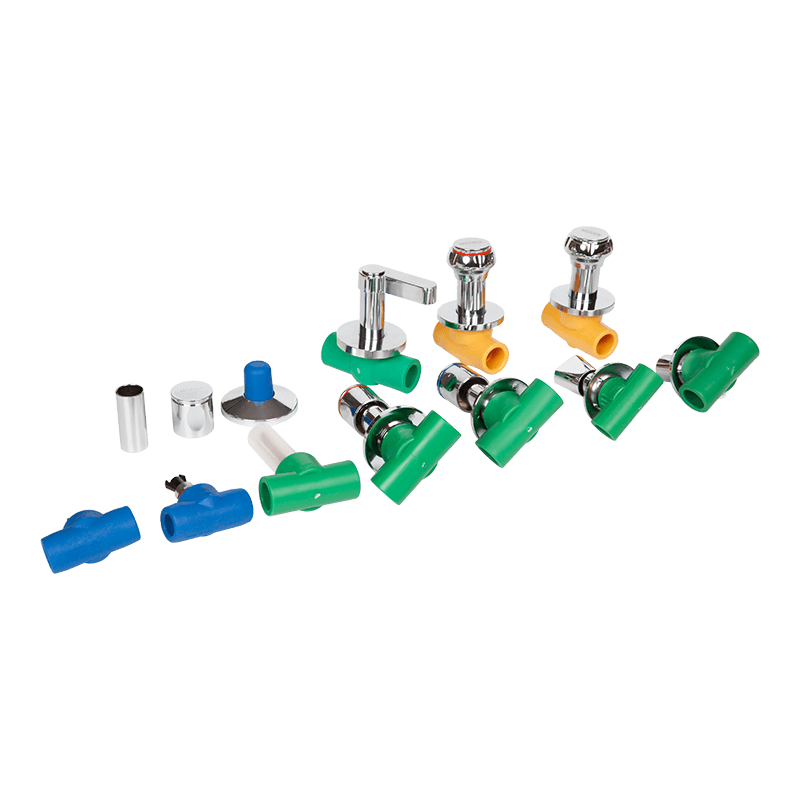
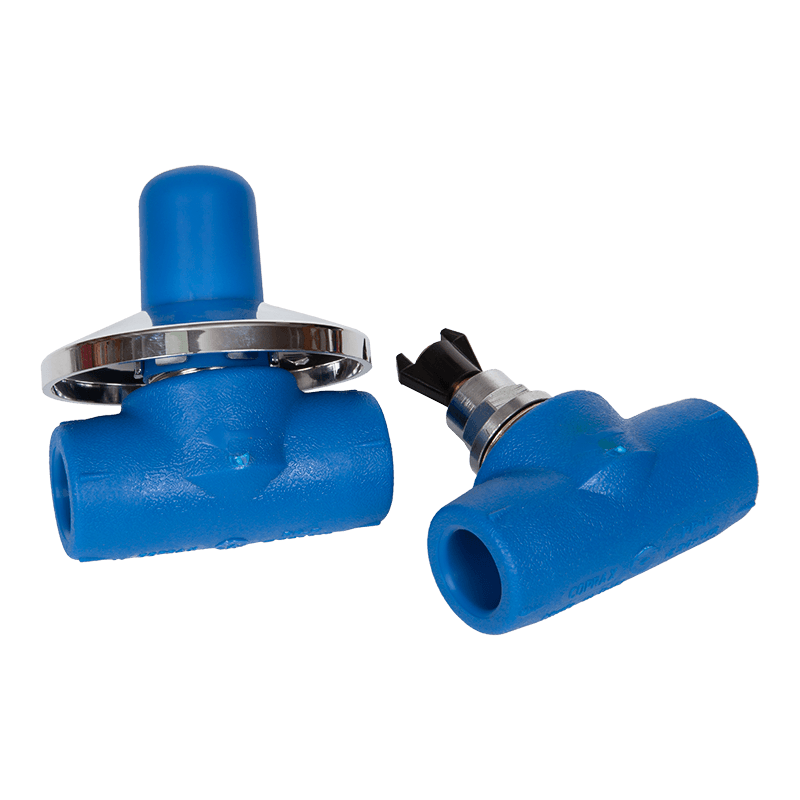
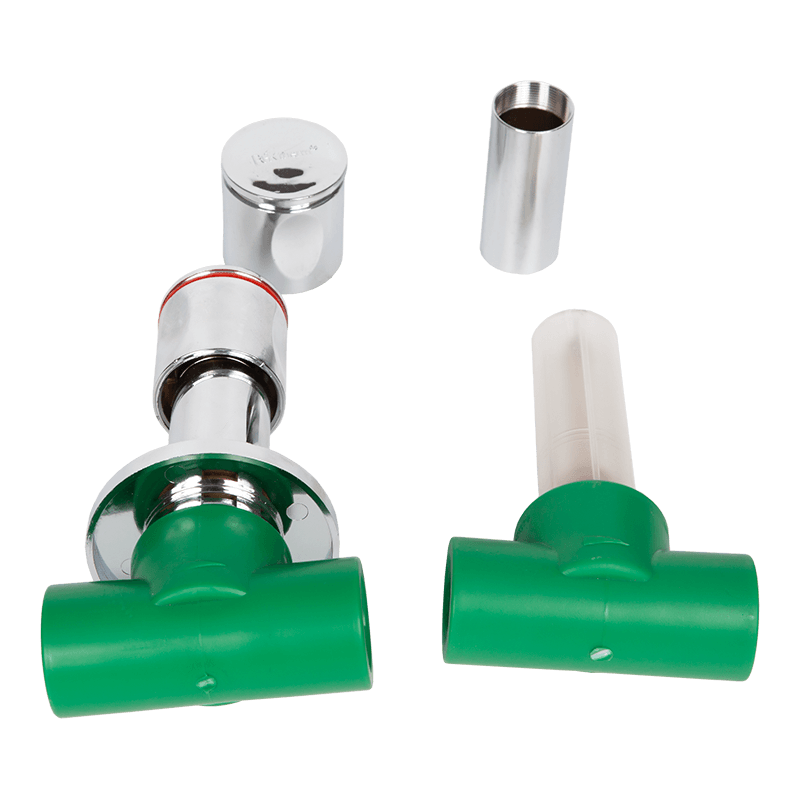
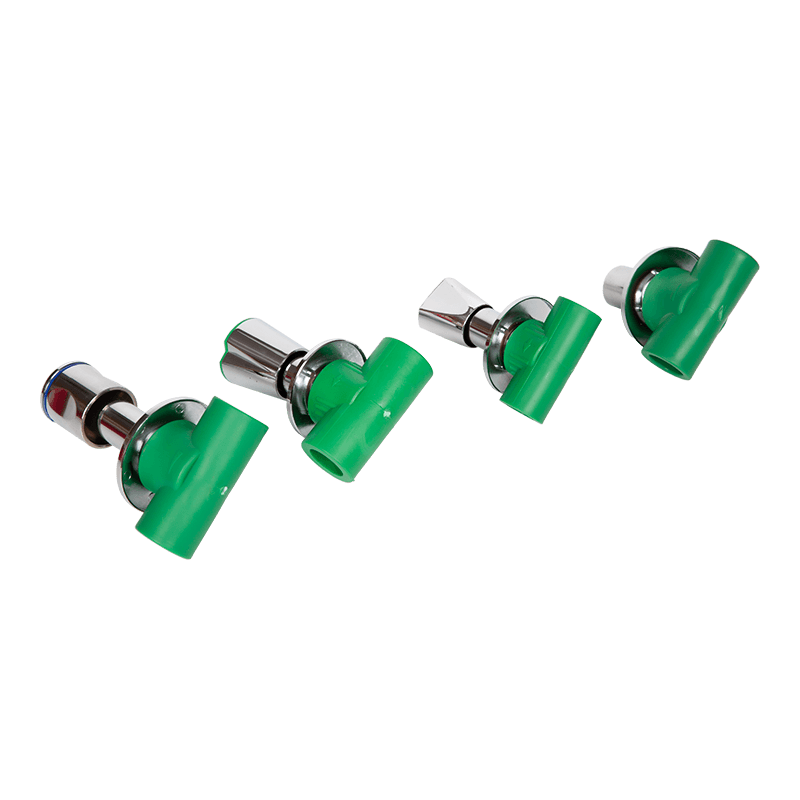
PPR stands for polypropylene random copolymer. PPR pipe fittings are connectors used to join PPR pipes in plumbing systems.
They come in different shapes and sizes, such as elbows, tees, couplings, reducers, and more. They are used to build water supply systems in buildings, factories, and even some industrial applications.
How Do They Work?
Most PPR pipe fittings connect to pipes using heat fusion. The pipe and fitting are heated and then fused together, creating a strong, leak-proof joint.
Compared with threaded or glued connections, heat fusion reduces the risk of leakage and improves long-term reliability.
Why Is This Important?
Because plumbing failures are expensive and annoying.
When a pipe leaks, it is not just the water loss. There is damage to walls, floors, and sometimes electrical systems. Repairing leaks can cause major disruption, especially in occupied buildings.
PPR systems are gaining attention because they reduce these risks. They offer a safer and more stable solution for modern plumbing needs.
What Makes PPR Different from Other Materials?
PPR has several advantages over traditional materials like PVC, CPVC, or metal pipes:
- Higher temperature resistance than PVC
- Better chemical resistance
- Lower risk of corrosion compared to metal
- Longer lifespan under proper conditions
When Are PPR Pipe Fittings Used?
PPR fittings are most commonly used in hot and cold water systems, heating systems, and some industrial water applications.
Here are typical scenarios where customers choose PPR:
1. Residential Water Supply
For new buildings or renovation projects, PPR is often chosen because of its reliability and ease of installation.
2. Heating Systems
PPR can handle higher temperatures, making it suitable for heating and hot water systems.
3. Commercial Buildings
Offices, hotels, and apartments often use PPR because it is durable and reduces maintenance needs.
How Do PPR Pipe Fittings Operate in Real Life?
In the real world, PPR systems are simple and effective. But there are details that customers often overlook.
Heat Fusion Process
Heat fusion is the key to the system’s strength. If done correctly, the joint becomes as strong as the pipe itself.
That is why proper welding equipment and trained installers matter a lot.
System Layout and Design
Design is important because PPR pipes expand and contract with temperature changes. If the system is not designed properly, it can stress the joints.
Experienced engineers know how to plan expansion loops and support spacing to avoid problems.
What Are the Pros and Cons?
Let’s be honest: PPR is not perfect. But for many applications, its advantages outweigh the downsides.
Pros
- Long lifespan
- Excellent corrosion resistance
- Good thermal stability
- Leak-proof joints with proper fusion
- Low maintenance
Cons
- Requires heat fusion equipment
- Not ideal for very high-pressure systems without proper design
- Needs careful installation to avoid thermal stress
- Material can be affected by UV if exposed directly outdoors
PPR vs Other Pipe Systems
| Feature | PPR | PVC | Metal |
|---|---|---|---|
| Temperature resistance | Good | Moderate | Very good |
| Corrosion resistance | Excellent | Good | Poor to moderate |
| Leak risk | Low with fusion | Moderate | Moderate to high |
| Installation complexity | Requires fusion tools | Simple | Complex |
| Maintenance | Low | Moderate | High |
What Should You Pay Attention To?
If you are a buyer or installer, here are the real questions you should ask:
1. Are the Fittings Certified?
Certification ensures the material and production process meet industry standards. It is not something you want to skip.
2. Do You Have Proper Welding Equipment?
Without proper fusion equipment, the joints can fail. That is why many customers ask about installation support and training.
3. Is the System Designed for Thermal Expansion?
Temperature changes can cause pipe expansion. If the design does not account for it, the system may experience stress over time.
4. Will the Pipes Be Exposed to Sunlight?
PPR is sensitive to UV. If the pipes are outdoors, they need UV protection or should be covered.
Final Thoughts
PPR pipe fittings are not just a product; they are a solution for modern plumbing systems.
They offer durability, reliability, and low maintenance, which is why they are becoming a popular choice in residential and commercial projects.
For manufacturers, the market opportunity is clear: produce fittings that meet high standards, support proper installation, and provide real value to customers.
And for buyers, the key is to focus on quality, certification, and installation support. When those factors are in place, PPR systems can deliver long-term performance and peace of mind.