 LANGUAGE
  English
 русский
 中文简体
中文简体Introduction to Plumbing Quick-Connect Fittings
Plumbing quick-connect fittings are widely used in residential, commercial, and industrial piping systems due to their ease of installation, flexibility, and ability to reduce labor time. These fittings are designed to connect and disconnect pipes or hoses without the need for specialized tools or extensive pipework modifications. A critical feature often evaluated by engineers and maintenance personnel is whether these fittings can be maintained without shutting down the entire piping system, as uninterrupted operation is essential in many processes.
Design and Functional Principles of Quick-Connect Fittings
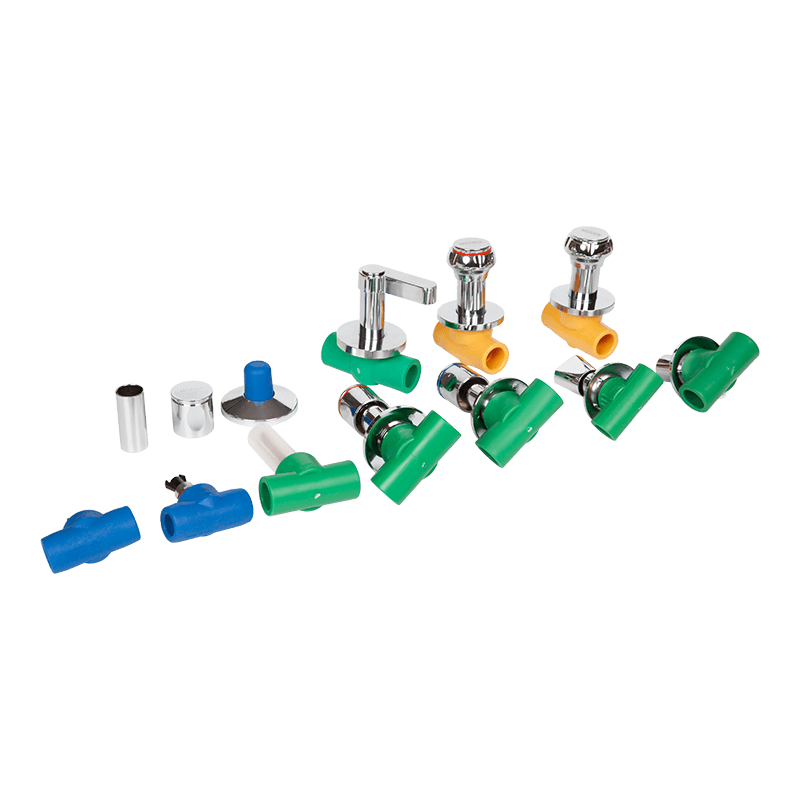
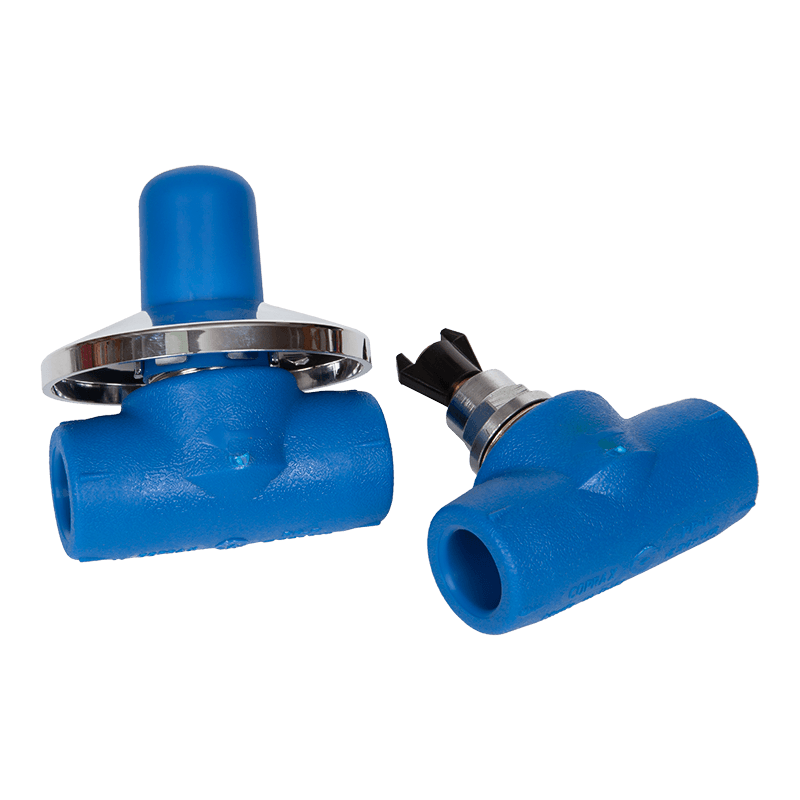
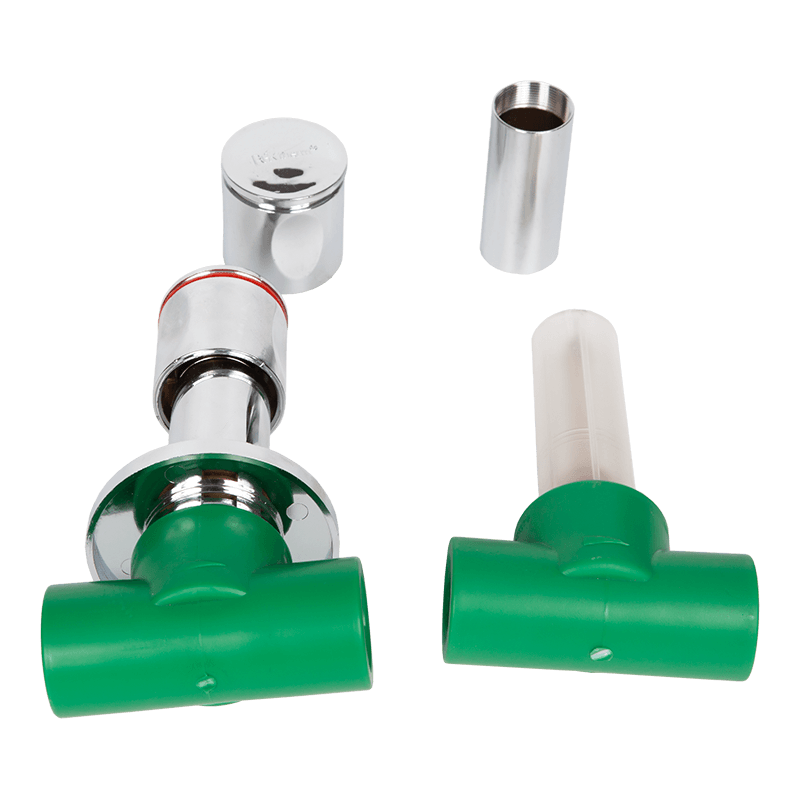
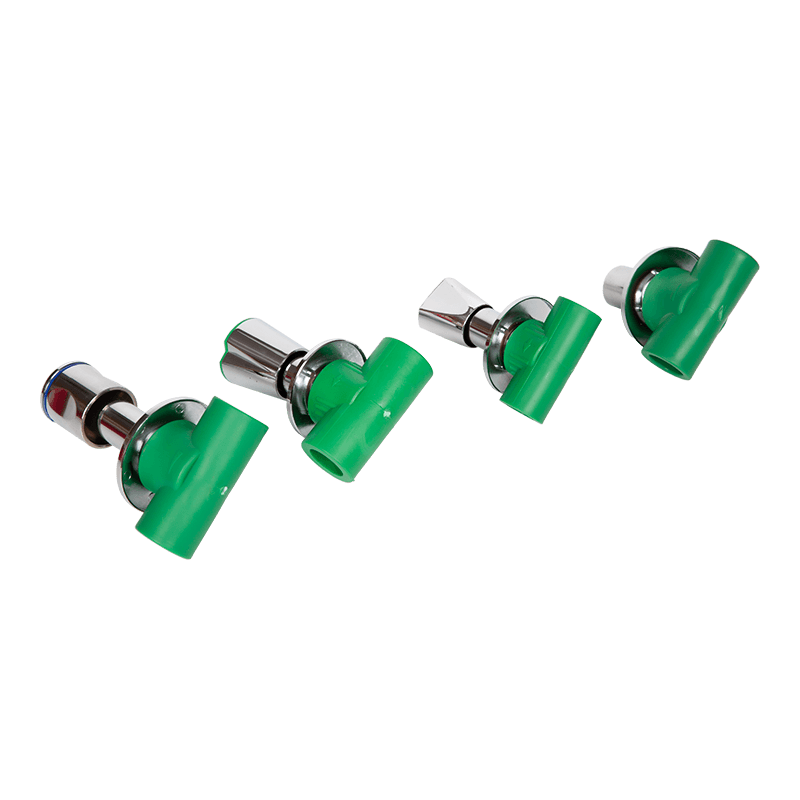
Quick-connect fittings are typically made from materials such as brass, stainless steel, or high-grade plastics that provide durability and resistance to corrosion. The internal design includes sealing elements, often O-rings, that ensure leak-proof connections while allowing for easy disconnection. Some fittings incorporate valve mechanisms that isolate the fluid flow when the connection is disengaged, which is key to enabling maintenance without halting the entire system. The simplicity of their design allows for repeated assembly and disassembly while maintaining reliable performance.
Maintenance Requirements for Quick-Connect Fittings
Maintenance of plumbing quick-connect fittings involves periodic inspection of sealing elements, cleaning, and replacement of worn components. The O-rings and seals can degrade over time due to exposure to chemicals, high temperature, or repeated use. Lubrication of moving components ensures smooth operation and prevents sticking during disconnection. Because many quick-connect fittings are designed with shut-off valves integrated into their structure, maintenance can often be performed on specific sections of the piping system without interrupting flow in other areas, reducing downtime and operational disruption.
Advantages of Sectional Isolation in Maintenance
The ability to isolate sections of the piping system is a significant advantage of quick-connect fittings. Fittings with built-in valves or locking mechanisms allow technicians to shut off fluid flow locally while the rest of the system continues operating. This design reduces the risk of fluid loss, minimizes the impact on production or water supply, and enables targeted maintenance. In critical applications such as chemical plants, laboratories, or commercial plumbing, sectional isolation enhances safety and efficiency during routine servicing or emergency repairs.
Material Considerations for Longevity
The material composition of quick-connect fittings influences their performance under maintenance operations. Brass fittings provide resistance to corrosion and moderate chemical exposure, while stainless steel fittings offer higher durability in aggressive environments and higher temperature ranges. Plastic fittings, such as those made from PEX or nylon, offer lightweight solutions suitable for potable water or low-pressure systems. The choice of material determines the maintenance interval, resistance to wear, and compatibility with the fluid type, which collectively affects whether the fitting can be serviced without system shutdown.
Operational Factors Affecting Maintenance
Operational factors, including system pressure, fluid type, and flow rate, affect the feasibility of maintaining quick-connect fittings without shutting down the entire system. High-pressure systems require fittings with integrated shut-off valves or secondary isolation mechanisms to safely perform maintenance. Systems carrying corrosive chemicals or high-temperature fluids demand fittings made of resistant materials and with accessible designs to allow safe disassembly. Proper system design, including strategically placed isolation points and bypass lines, enhances the ability to maintain individual fittings while the remainder of the system continues functioning.
| Parameter | Brass Fittings | Stainless Steel Fittings | Plastic (PEX/Nylon) Fittings |
|---|---|---|---|
| Corrosion Resistance | Moderate | High | Moderate |
| Chemical Resistance | Moderate | High | Varies by fluid |
| Temperature Tolerance | Moderate | High | Low to Moderate |
| Maintenance Without Shutdown | Possible with integrated valves | Possible with integrated valves | Possible in low-pressure applications |
Techniques for Maintaining Quick-Connect Fittings
Effective maintenance techniques include isolating the section of the system containing the fitting, depressurizing only the local area, and then disconnecting the fitting for inspection or replacement. Lubricating O-rings before reassembly ensures proper sealing and reduces wear. Cleaning internal channels prevents debris from damaging seals or affecting flow. In some industrial applications, specialized tools allow the fitting to be removed under controlled conditions without affecting the rest of the system. Documentation and labeling of fittings and isolation points improve efficiency and reduce errors during maintenance.
Impact on System Reliability
Quick-connect fittings designed for maintenance without full system shutdown contribute to overall system reliability. By enabling sectional servicing, these fittings reduce the likelihood of system-wide interruptions and allow timely replacement of worn components. This approach ensures that operational continuity is maintained, particularly in critical processes where downtime could result in production losses, water supply interruptions, or safety hazards. Regular maintenance guided by design considerations enhances both the lifespan and reliability of the piping system.
Comparison of Quick-Connect Fitting Designs
There are several designs of quick-connect fittings, including push-to-connect, threaded quick-disconnect, and valve-integrated models. Push-to-connect fittings offer rapid assembly but may require temporary pressure isolation during maintenance. Threaded quick-disconnect fittings provide secure mechanical engagement and can often be maintained without shutting down the system if valves are installed. Valve-integrated fittings allow local isolation directly at the connection point, offering the highest flexibility for maintenance without affecting the rest of the system. Selecting the right design depends on operational requirements, fluid type, and system pressure.
Safety Considerations During Maintenance
Maintaining quick-connect fittings without shutting down the system requires attention to safety protocols. Pressure relief, fluid containment, and personal protective equipment are critical to prevent accidents. Valve isolation, bypass lines, and proper labeling of fittings help ensure that technicians can work safely without causing leaks or flow interruptions. Regular training and adherence to operational procedures minimize risks and ensure that maintenance tasks are completed efficiently and safely.
Conclusion on Maintenance Without System Shutdown
Plumbing quick-connect fittings are designed to facilitate easy assembly, disassembly, and targeted maintenance. Their ability to be serviced without shutting down the entire piping system depends on material selection, integrated valve mechanisms, system design, and proper maintenance practices. With careful consideration of operational conditions and adherence to safety protocols, these fittings can be maintained efficiently, reducing downtime, minimizing disruption, and extending the life of the piping system. Implementing quick-connect fittings strategically across a system enhances reliability and operational flexibility.