 LANGUAGE
  English
 русский
 中文简体
中文简体Introduction to Radiator Valves
Radiator valves are an essential component of heating systems, regulating the flow of hot water into radiators. They help maintain comfort levels by controlling the heat output of individual radiators. Two common types of radiator valves are regular manual valves and thermostatic radiator valves. Understanding the differences between these two types is important for optimizing heating efficiency, energy use, and indoor comfort.
Structure and Operation of Regular Valves
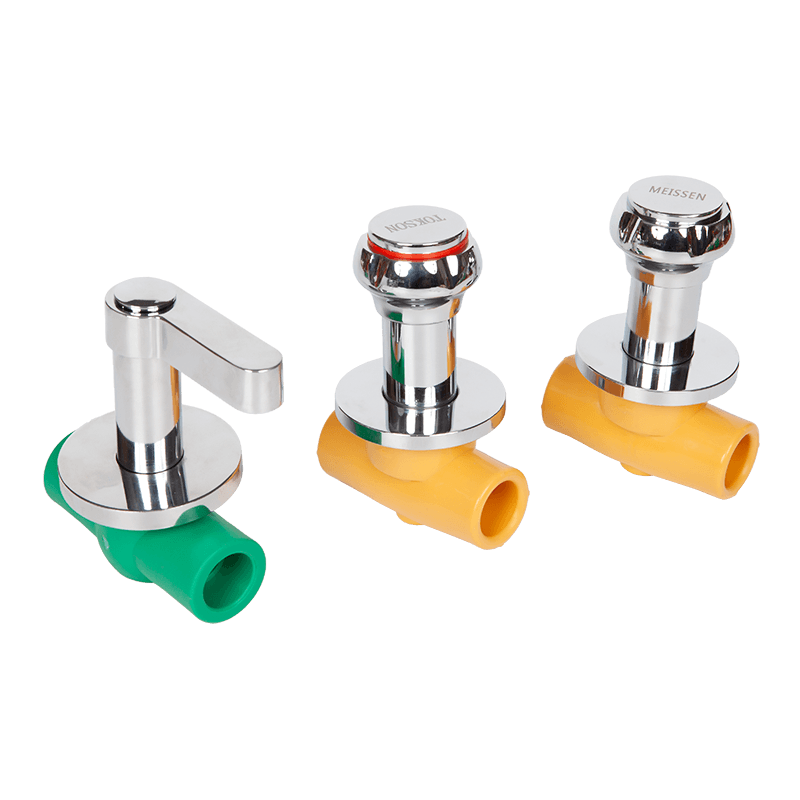
Regular radiator valves, also known as manual valves, operate by allowing users to manually adjust the water flow into the radiator. The valve typically consists of a rotating knob or lever that opens or closes the passage of hot water. The position of the valve determines the rate of flow, and consequently, the amount of heat emitted by the radiator. These valves do not automatically respond to changes in room temperature.
Structure and Operation of Thermostatic Radiator Valves
Thermostatic radiator valves (TRVs) incorporate a temperature-sensitive element, often a wax or liquid-filled sensor, that expands or contracts in response to room temperature. This movement automatically adjusts the valve opening, regulating the water flow without manual intervention. As a result, the radiator can maintain a set temperature in the room, reducing energy consumption and improving comfort levels.
Energy Efficiency Comparison
Thermostatic radiator valves are more energy-efficient than regular valves because they automatically adjust to the room’s temperature. When the room reaches the desired temperature, the TRV reduces the water flow, preventing unnecessary heating. In contrast, regular valves require manual adjustment and often result in overheating or uneven heating, which can increase energy consumption.
Comfort and Temperature Control
With thermostatic radiator valves, each room can be independently controlled, allowing for personalized comfort. Residents can set different temperatures for different rooms, and the TRVs will maintain those levels automatically. Regular valves provide less precise control, as the flow must be manually adjusted and cannot respond dynamically to temperature fluctuations.
Installation Considerations
Both types of valves are installed in line with the radiator inlet, but TRVs require more careful positioning to ensure the sensor is exposed to the ambient room air rather than being obstructed by curtains or furniture. Regular valves are simpler to install and do not have specific requirements for sensor placement, making them easier for retrofitting in existing heating systems.
Cost Implications
Thermostatic radiator valves generally have a higher upfront cost compared to regular manual valves due to their built-in sensor mechanism. However, the energy savings and enhanced comfort over time often offset the initial investment. Regular valves are less expensive upfront but may lead to higher energy bills due to less efficient heating control.
Maintenance and Longevity
Both valve types require minimal maintenance, but TRVs may need occasional checking to ensure the sensor operates correctly and the valve moves freely. Regular valves are mechanically simpler and typically more durable over long periods, although they provide less operational flexibility.
Performance Table Comparison
| Feature | Regular Valve | Thermostatic Radiator Valve |
| Flow Control | Manual adjustment required | Automatic adjustment based on room temperature |
| Energy Efficiency | Lower, potential overheating | Higher, prevents unnecessary heating |
| Temperature Precision | Dependent on manual setting | Maintains preset room temperature automatically |
| Installation Complexity | Simple | Requires careful sensor placement |
| Cost | Lower upfront | Higher upfront, long-term savings |
| Maintenance | Minimal | Occasional sensor checks recommended |
Suitability for Different Heating Systems
Regular valves are suitable for smaller or simpler heating systems where rooms are often uniformly heated and precise temperature control is not required. Thermostatic radiator valves are ideal for larger buildings or systems where multiple rooms have different occupancy patterns and heating requirements, providing better energy management and user comfort.
Integration with Modern Heating Controls
Thermostatic radiator valves can be integrated with smart heating systems, allowing remote monitoring and control through thermostats or mobile apps. This integration enables even finer control over energy use and comfort. Regular valves, while functional, do not provide compatibility with modern automated or remote control systems.