 LANGUAGE
  English
 русский
 中文简体
中文简体What Are Thermostatic Radiator Valves (TRVs)?
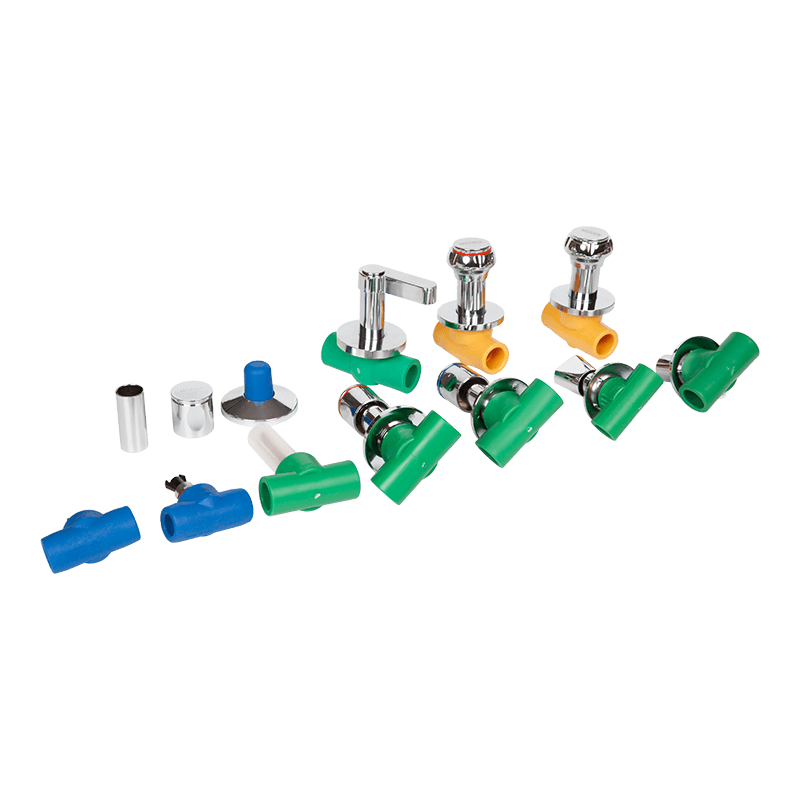
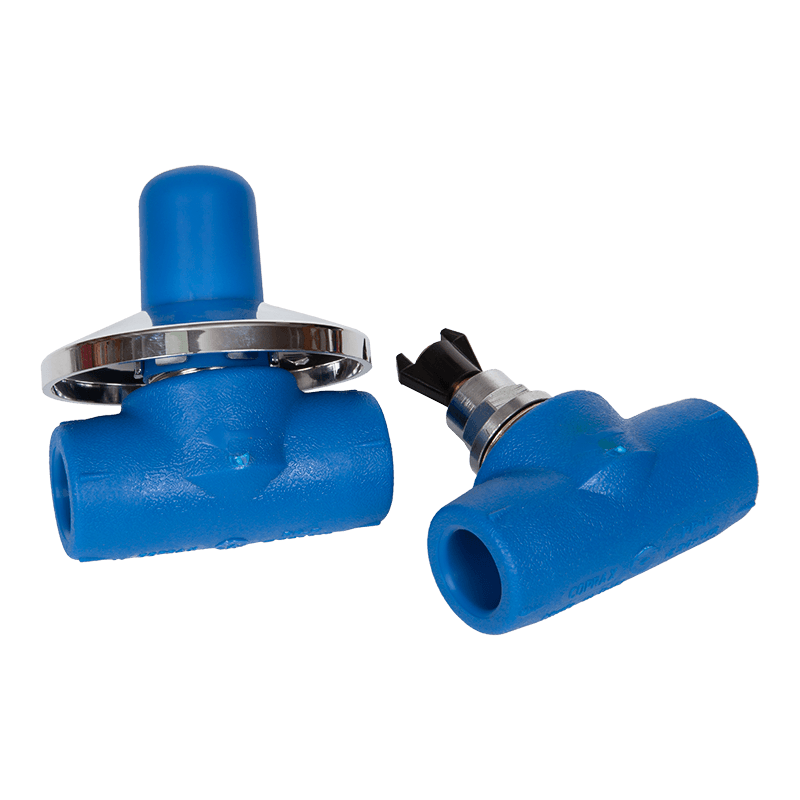
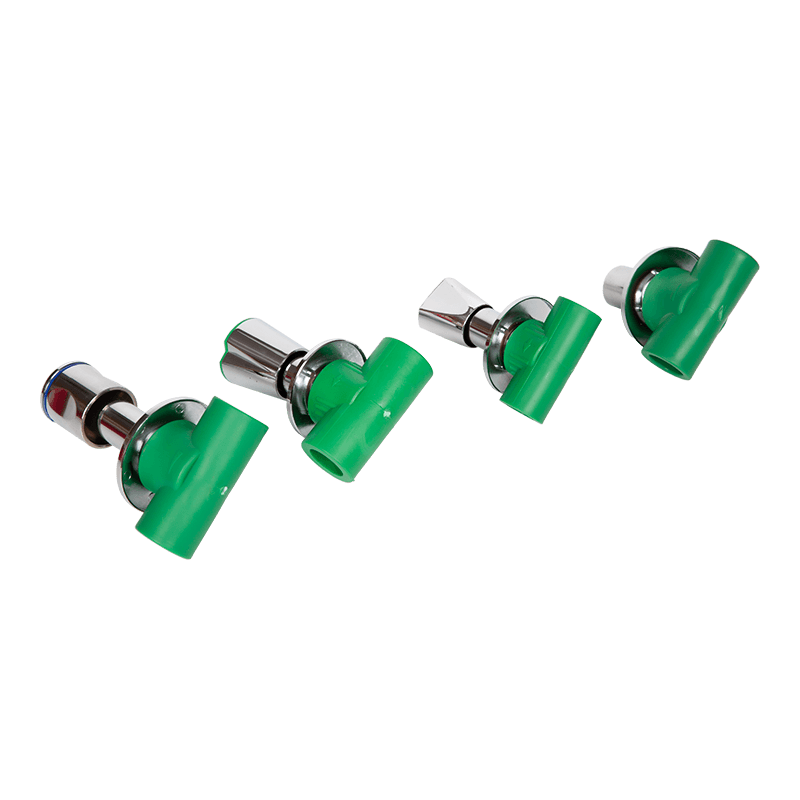
Thermostatic Radiator Valves (TRVs) are devices that are fitted to radiators to automatically regulate the temperature in a room. By sensing the room's ambient temperature, TRVs adjust the amount of hot water flowing into the radiator, ensuring that the space maintains a consistent and comfortable temperature. These valves help optimize energy usage, reduce heating costs, and contribute to a more sustainable home or office environment.
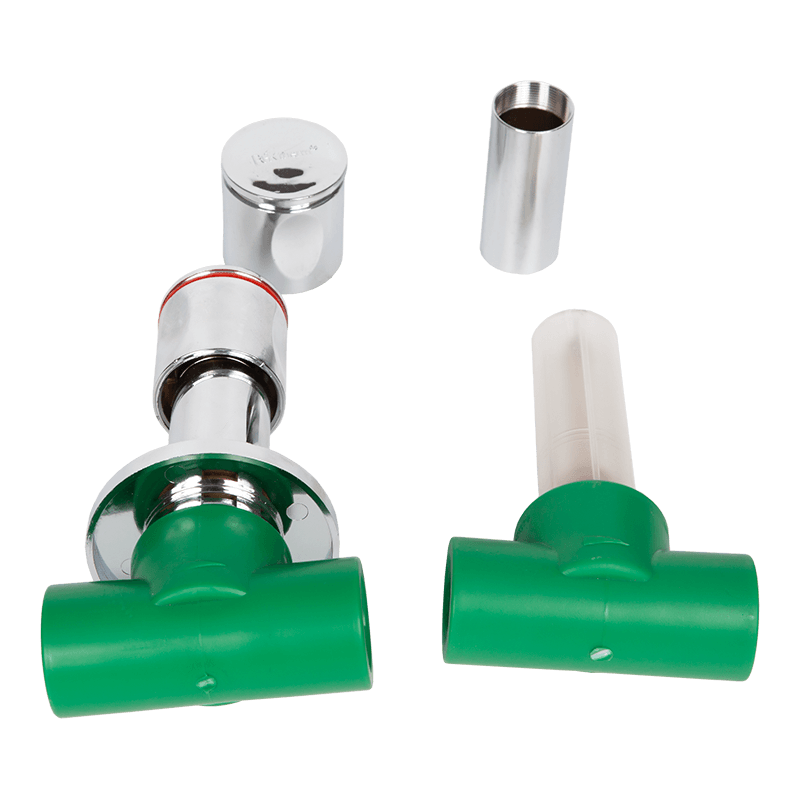
TRVs typically consist of a temperature sensor, which reacts to the ambient temperature of the room, and a valve mechanism that controls the flow of water into the radiator. The user can set the desired temperature on the TRV, and the valve will automatically open or close to maintain that temperature, providing both convenience and energy savings.
How Do Thermostatic Radiator Valves Work?
The operation of a thermostatic radiator valve is relatively simple. When the temperature in a room rises above the set value, the TRV automatically reduces the flow of hot water into the radiator. Conversely, when the room temperature drops below the desired level, the valve opens, allowing more hot water to flow into the radiator. This process ensures that the room remains at the desired temperature without requiring manual adjustments or relying on a central thermostat.
Most TRVs are designed to operate based on the temperature in the immediate vicinity of the radiator, allowing for localized temperature control. This enables the user to manage the temperature of each room independently, improving both comfort and energy efficiency. In systems with multiple radiators, different rooms can be heated to different temperatures based on individual needs and preferences.
Benefits of Installing Thermostatic Radiator Valves
Thermostatic radiator valves offer several important benefits for both residential and commercial properties. Some of the key advantages include:
- Energy Savings: TRVs help to optimize energy use by preventing overheating in rooms. By automatically adjusting the flow of hot water, they ensure that energy is not wasted, which can lead to lower heating bills.
- Increased Comfort: With the ability to control the temperature in each room individually, TRVs ensure that every space is heated to the exact temperature desired. This allows for a more comfortable environment throughout the home or office.
- Improved Control: TRVs provide more precise temperature control compared to conventional radiator valves, making it easier to maintain a consistent climate in various areas of the building.
- Longer Boiler Life: By reducing unnecessary heating, TRVs can help extend the lifespan of the boiler, as it operates more efficiently and does not have to work as hard to maintain high temperatures.
- Environmentally Friendly: By promoting energy efficiency, TRVs help reduce carbon emissions, making them a more sustainable option for home and building heating systems.
Types of Thermostatic Radiator Valves
There are various types of thermostatic radiator valves available, each designed to suit different needs. Some of the most common types include:
- Manual TRVs: These are basic thermostatic valves that require the user to manually set the desired temperature. They are less common in modern systems, as they lack the automatic temperature regulation provided by more advanced models.
- Electronic TRVs: These advanced models feature digital controls and can be programmed to maintain different temperatures at different times of the day. They can also be connected to smart home systems for remote control and automation.
- Integrated TRVs: These models combine the radiator valve and thermostat into one compact unit, offering a streamlined installation process. They are often used in modern, energy-efficient buildings.
Installing Thermostatic Radiator Valves
Installing thermostatic radiator valves is relatively straightforward but should be done carefully to ensure that the system functions as intended. The process generally involves removing the existing manual valve and replacing it with the thermostatic model. Here are a few key steps to follow when installing TRVs:
- Turn off the heating system to avoid burns or damage during installation.
- Remove the old valve carefully and install the new thermostatic radiator valve in the same position. Ensure that the valve is installed with the correct orientation for optimal performance.
- Adjust the temperature dial on the TRV to the desired setting. Some models may require calibration or further adjustments depending on the system's specifications.
- Test the valve by turning the heating system back on and checking that the radiator responds as expected.
For more complex installations or when upgrading an existing heating system, it is advisable to seek the help of a qualified heating engineer to ensure proper setup and integration with your home’s heating system.
Troubleshooting Thermostatic Radiator Valves
While thermostatic radiator valves are generally reliable, like any mechanical device, they can encounter problems from time to time. Here are some common issues and troubleshooting tips:
- Inaccurate Temperature Readings: If the TRV is not responding to temperature changes or the room feels too warm or cold, the sensor may be malfunctioning. In this case, recalibrating the valve or replacing it may be necessary.
- Airlock Issues: If the radiator is not heating properly, air might be trapped inside the system. Bleeding the radiator to release any trapped air should resolve this issue.
- Valve Leaks: If you notice water leaking around the valve, the seals may have worn out or become damaged. Tightening the valve or replacing worn seals can stop the leak.
Regular maintenance of TRVs can help avoid many of these problems. Ensure that the valves are cleaned periodically and that the system is properly maintained for optimal performance.