 LANGUAGE
  English
 русский
 中文简体
中文简体The deployment of structural fluid networks for high-temperature potable water distribution, industrial chemical transport, and radiant hydronic heating loops requires piping components capable of resisting mechanical creep, chemical scaling, and thermal degradation. High-integrity PPR pipe fittings serve as the foundational mechanical links for these pressurized systems, moving modern civil engineering away from corrodible copper tubes and brittle polyvinyl chloride (PVC) plumbing networks. By utilizing a randomized distribution of ethylene monomers within a polypropylene polymer backbone, these specialized molded components create structural joint integrity through seamless molecular fusion, allowing plumbing systems to handle severe temperature variations and prolonged hydro-pressure stresses without risk of joint separation.
Macromolecular Configuration and Polymer Modification Physics
The unique physical durability of Polypropylene Random Copolymer (PPR) fittings stems from their underlying molecular composition. Unlike homopolymer polypropylene, which becomes brittle at cold temperatures, or block copolymers, which can suffer from reduced structural clarity, PPR is synthesized by introducing a low percentage of ethylene molecules—typically 3% to 5% by total mass—randomly into the long propylene carbon chain during polymerization.
This intentional disruption of the regular polymer pattern alters the material's crystalline structure. The random arrangement of ethylene links reduces the polymer's overall crystallinity, giving the resulting plastic higher impact resistance, better flexibility, and greater resistance to environmental stress cracking. When exposed to continuous high temperatures and pressure, the random copolymer chains resist stretching or slipping past one another. This molecular layout provides the fittings with an exceptional operational lifespan, often exceeding 50 years of continuous use under normal municipal building operating parameters.
Comparing PPR, PEX, and Copper Material Matrix Profiles
Selecting the best piping material requires comparing mechanical and thermal behaviors. Copper offers extreme pressure ratings but is susceptible to oxygen corrosion, scaling, and pinhole leaks from acidic water chemistry. Cross-linked polyethylene (PEX) is highly flexible but requires expensive brass mechanical crimping rings that restrict water flow at every connection point. PPR pipe fittings resolve these issues; they feature a perfectly smooth internal bore that prevents mineral scale deposits, maintain an inert chemical profile that preserves water purity, and create permanent fused joints that maintain the same internal diameter as the pipe itself.
Thermodynamic Kinetics of Socket Heat Fusion Joining
The primary technical advantage of a PPR pipe fitting is its connection mechanism, which relies on thermal socket fusion rather than solvent glues, rubber gaskets, or mechanical threads. This joining process bonds the pipe and fitting at a molecular level, turning two separate pieces into a single, leak-free plastic component.
The heat fusion process requires strict control over the interface temperature, which must be held at 260°C +/- 10°C using an electronic heating iron. When the raw pipe end and the internal bore of the fitting are pushed onto the heated teflon-coated mandrels, the crystalline zones within the PPR material break apart, turning the plastic into a soft, amorphous gel. When the heated pipe and fitting are pulled off the iron and pushed together, their melted polymer chains blend together seamlessly. As the joint cools, these tangled polymer chains recrystallize across the interface boundary, creating a unified material section that matches or exceeds the tensile and burst strength of the original pipe wall.
Engineering Classification and Pressure Dimension Matrix
Specifying plumbing components for commercial high-rise buildings, municipal utilities, or industrial processing facilities requires a precise review of core engineering metrics. The chosen fitting configurations must deliver adequate structural strength across the system's entire temperature profile without exceeding wall-thickness weight boundaries.
The table below outlines the standard pressure tiers, dimensional ratios, and operational limits across the primary engineering classes of professional PPR pipe fittings:
| Standard Pressure Class Designation | Standard Dimension Ratio (SDR) | Nominal Hydro-Pressure Rating | Maximum Continuous Fluid Temp | Target Plumbing Application Space |
|---|---|---|---|---|
| PN20 High Pressure / Hot Water | SDR 6 Heavy Wall | 2.0 MPa (290 PSI) | 70°C to 80°C Continuous | Pressurized boiler loops, solar collectors, radiant headers |
| PN16 Medium Pressure / Universal | SDR 7.4 Standard Wall | 1.6 MPa (232 PSI) | 60°C to 70°C Continuous | Commercial potable water risers, institutional plumbing |
| PN12.5 Low Pressure / Cold Water | SDR 9 Thin Wall | 1.25 MPa (181 PSI) | 20°C to 30°C Ambient | Chilled water loops, rainwater harvesting, agricultural lines |
Fluid Flow Efficiency and Hydraulic Friction Behavior
The interior surface finish of a pipe fitting plays a major role in determining a fluid system's long-term energy efficiency. As water pumps through a building's plumbing network, rough internal walls create turbulence and friction, leading to a noticeable drop in fluid pressure that forces pump motors to work harder.
PPR pipe fittings are injection-molded to achieve an exceptionally low surface roughness rating, typically around 0.007 mm. This glassy interior surface allows water to glide through the fitting with minimal friction, keeping pressure drops low and helping designers optimize pipe sizing across the network. Additionally, this smooth surface prevents dissolved minerals like calcium carbonate from binding to the plastic walls. By eliminating scale buildup, the system maintains its full internal diameter and flow efficiency throughout its entire decades-long operational life.
Composite Co-Molding and Threaded Brass Interfacing Physics
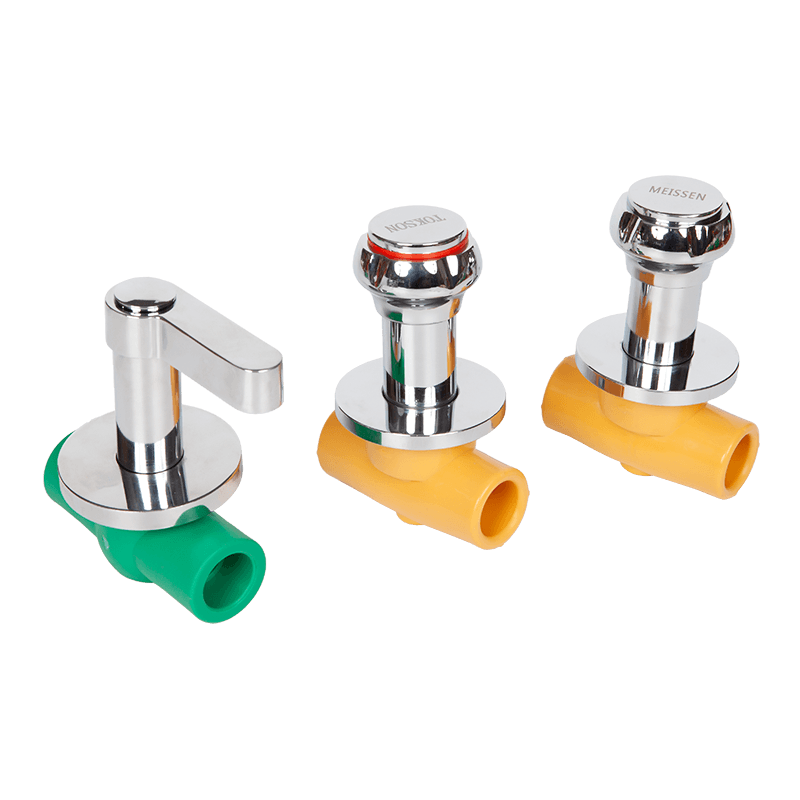
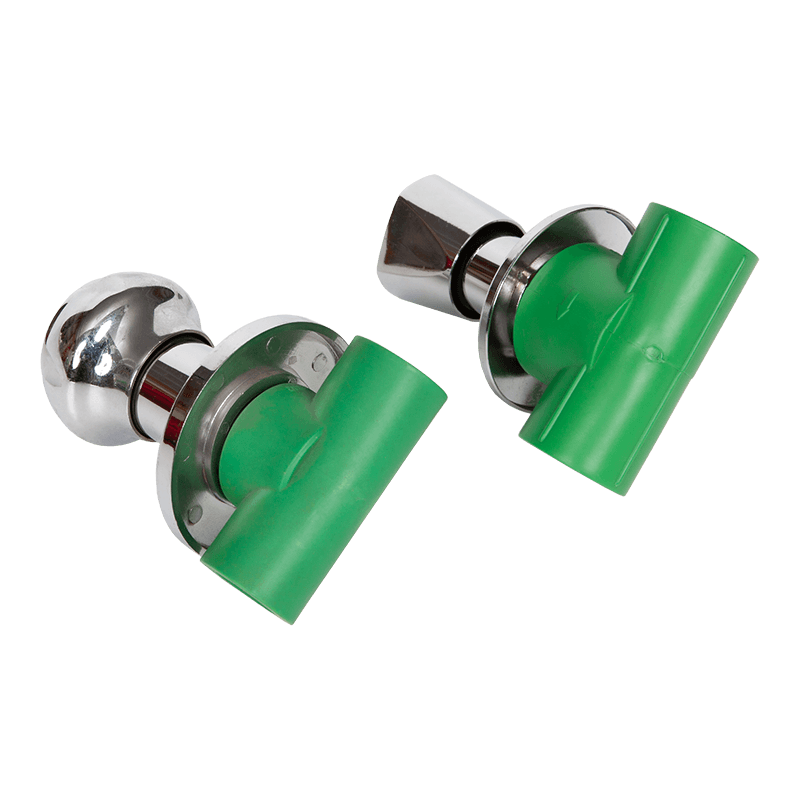
Integrating a plastic PPR piping system into an existing building network often requires joining the plastic lines to traditional metal valves, municipal water meters, or chrome bathroom fixtures. These connections require specialized composite transition fittings that blend metal threads with a weldable plastic body.
To build these hybrid components, manufacturers use an advanced injection molding process that encapsulates a machined brass insert inside the molten PPR fitting body. The outer surface of the brass insert features deep, machined grooves and ridges that mechanical engineers call knurling. When the hot PPR plastic is injected around the brass piece under immense pressure, it flows into these knurled grooves and solidifies. This interlocking design prevents the brass insert from twisting or sliding out of the plastic housing when an installer tightens a metal pipe joint with a heavy pipe wrench, ensuring a permanent, leak-proof seal between the different materials.
Mechanical Onsite Installation Sequence and Fusion Parameters
Installing a high-pressure PPR piping network requires following strict, step-by-step procedures to ensure proper joint alignment and fusion. Because the thermal welding process takes only a few seconds, errors made during the heating or cooling stages can cause hidden joint defects or narrow the water path inside the pipe.
- Execute a Perpendicular Axis Cut: Trim the PPR pipe to the required length using sharp, rachet-style blade cutters. The cut must be perfectly perpendicular to the pipe's long axis; an angled cut creates an uneven welding zone that can leave thin spots or leaks in the finished joint.
- Remove Imperfections and Mark Insertion Depths: Wipe the cut pipe end and the inside of the fitting socket with isopropyl alcohol to remove all grease and dust. Measure and mark the exact insertion depth onto the pipe exterior using a digital caliper, ensuring the pipe is not pushed too deep into the heating iron.
- Apply Simultaneous Thermal Heat: Push the pipe end and the fitting socket smoothly onto the 260°C fusion welding mandrels at the same time. Hold them on the iron for the standard heating cycle—typically 5 to 7 seconds for a 20mm pipe—without twisting the parts, allowing the plastic to melt evenly.
- Assemble the Joint and Align Components: Pull the parts off the heating iron and immediately push the pipe straight into the fitting socket until it reaches the depth mark. Hold the joint completely still for at least 4 to 6 seconds to let the melted plastic solidify, avoiding any twisting that could disrupt the bonding polymer chains.
- Perform a Pressure and Leakage Test: Let the completed plumbing assembly cool naturally to ambient temperature for two hours. Fill the entire piping network with water and use a manual hydraulic pump to raise the system pressure to 1.5 times the maximum design pressure, holding it steady for 24 hours to verify that every fused joint is completely sealed.
Root Cause Defect Analysis and Troubleshooting Protocols
When a pressurized copolymer plumbing layout suffers a sudden drop in flow performance or fails a pressure audit, field technicians can locate and fix the underlying mechanical issue by identifying specific joint failure patterns.
A common installation error is a closed-bore restriction, where water flow slows to a trickle despite normal pump pressures. This problem is typically caused by excessive insertion depth during the heat fusion phase. If an installer pushes the hot pipe past its recommended depth mark into the fitting socket, the excess melted plastic gets squeezed inward into the internal waterway. This extra material cools into a thick plastic ring that permanently chokes the water flow. To fix this, technicians use inline inspection cameras to locate the blocked joint, cut out the restricted section of pipe, and weld in a new fitting using the correct insertion depth parameters.
Another field failure mode is a cold weld leak, where water seeps out from the seam between the pipe and the fitting. This issue happens when the installer takes too long to connect the parts after pulling them off the heating iron. If the melted plastic cools for even a few seconds before assembly, its outer layer begins to solidify, preventing the polymer chains from blending thoroughly when the parts are pushed together. To resolve this issue, the leaking connection must be cut away completely. Technicians should verify that the heating iron maintains its proper 260°C operating temperature, clean all working surfaces, and complete the next fusion assembly cycle quickly within the specified time limits.