 LANGUAGE
  English
 русский
 中文简体
中文简体Introduction to PPR Concealed Valves
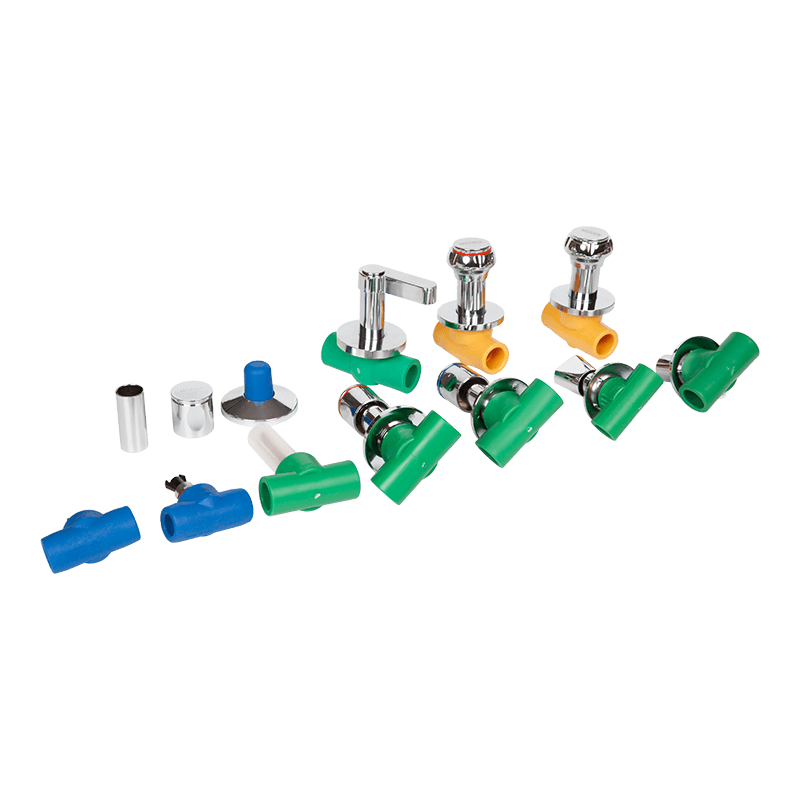
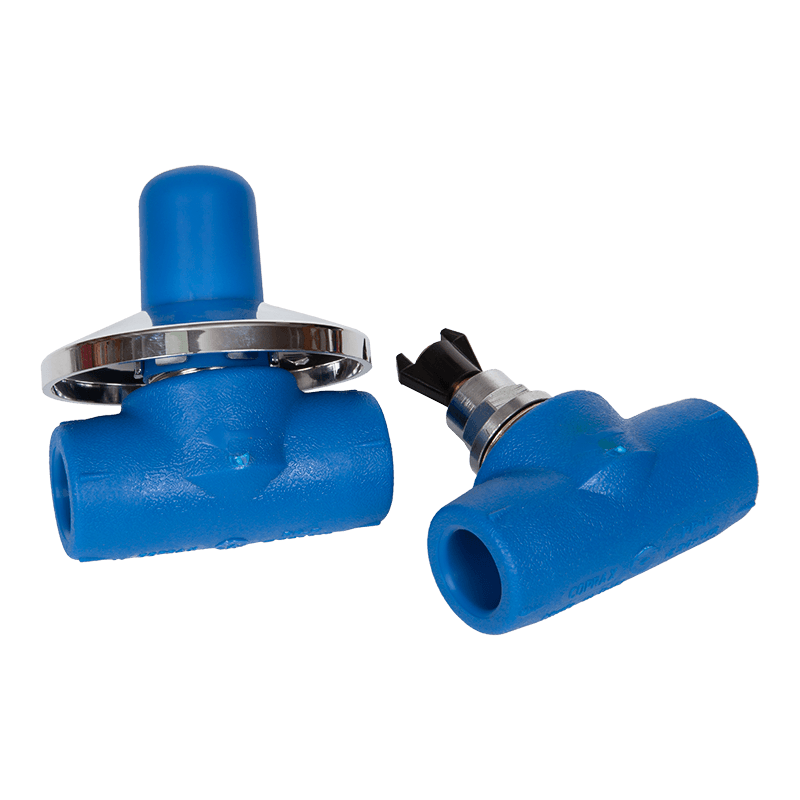
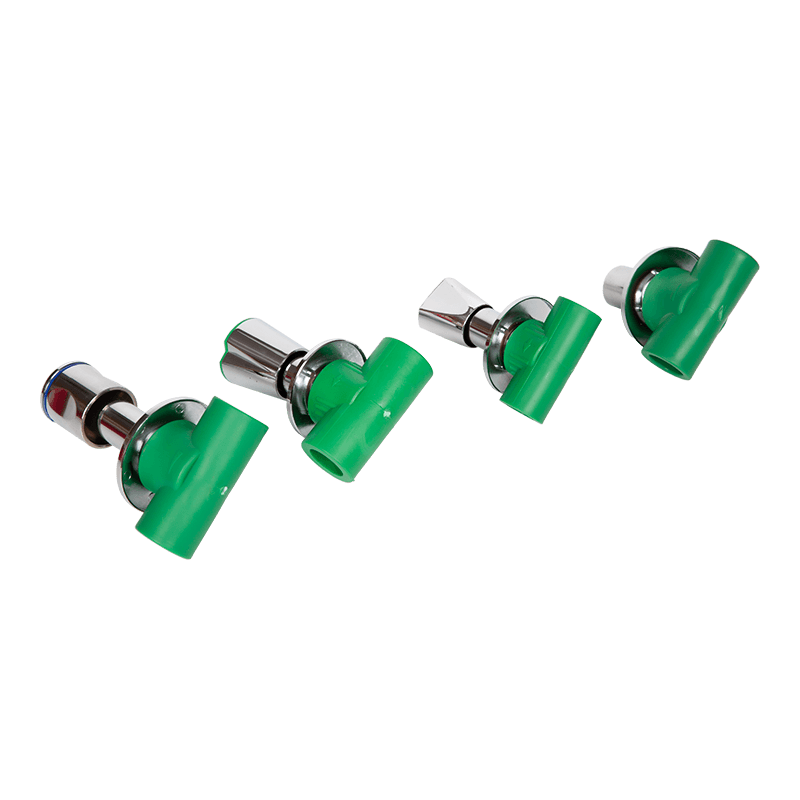
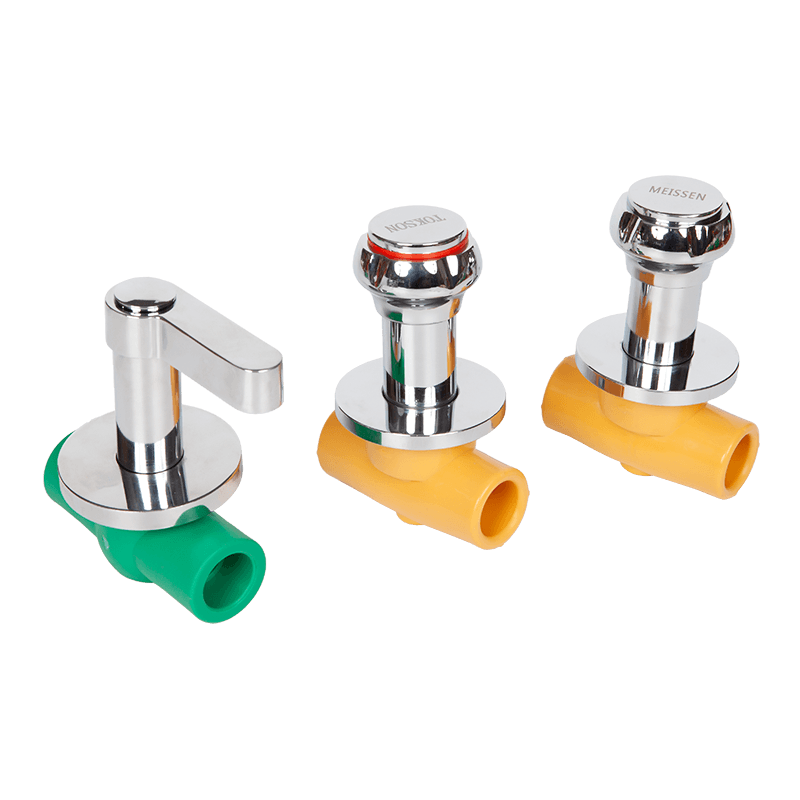
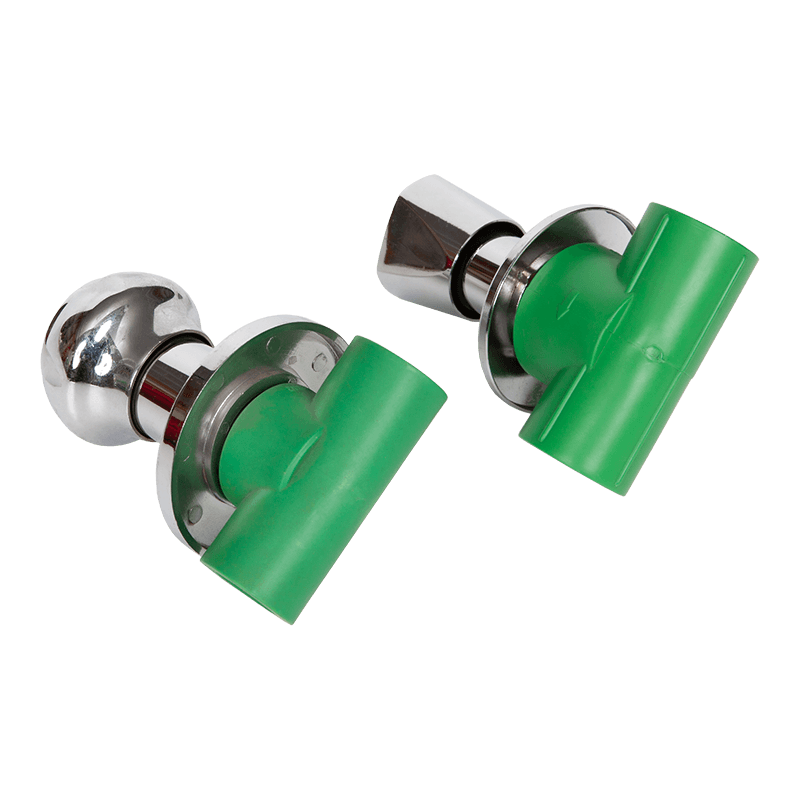
PPR concealed valves are widely used in modern plumbing systems due to their durability, ease of installation, and reliable sealing performance. These valves are typically installed within walls or concealed spaces, allowing for a clean and aesthetically pleasing appearance. Their main function is to control water flow in pipelines, providing reliable shut-off capabilities and preventing leaks.
The sealing performance of PPR concealed valves is a crucial factor for ensuring long-term reliability and efficiency. Valves must withstand high water pressure and repeated operation over extended periods without compromising their sealing integrity.
Sealing Mechanism of PPR Concealed Valves
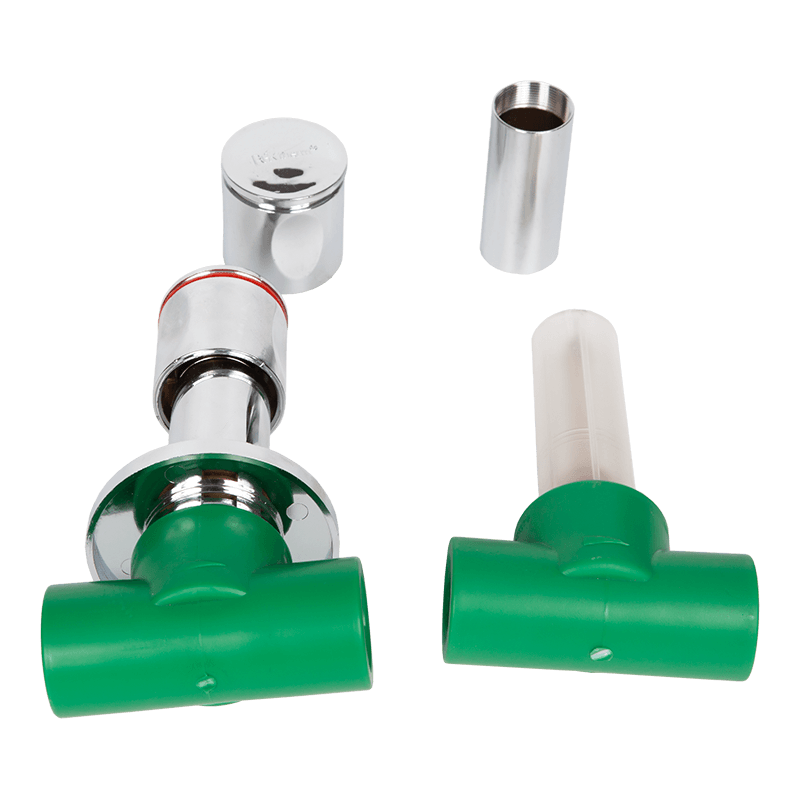
The sealing mechanism of a PPR concealed valve relies on precise engineering and high-quality materials. Typically, these valves use a combination of O-rings, gaskets, and the valve body to create a tight seal. The valve components are designed to fit accurately, preventing water from escaping even under pressure.
The PPR (polypropylene random copolymer) material used in these valves provides excellent chemical resistance and mechanical strength. It helps maintain the integrity of seals by resisting deformation under pressure and exposure to water and temperature fluctuations. The design of the valve body and internal components also ensures minimal wear on sealing surfaces, further enhancing longevity.
Performance Under High Pressure
PPR concealed valves are engineered to withstand various pressure conditions commonly found in residential and commercial water systems. Standard valves are rated for pressures typically ranging from 1.0 MPa to 2.5 MPa, depending on the manufacturer and model. Advanced designs may accommodate even higher pressures without compromising sealing performance.
Under high pressure, the valve must maintain the tightness of O-rings and gaskets. The PPR material’s rigidity ensures that the valve body does not flex or deform, which could otherwise lead to leaks. Additionally, the precision manufacturing process ensures that all mating surfaces maintain uniform contact, which is essential for reliable high-pressure sealing.
Regular testing of PPR concealed valves under simulated high-pressure conditions helps confirm their performance. These tests often include repeated opening and closing cycles while monitoring for leaks or pressure drops, ensuring that the valve remains functional under rigorous conditions.
Long-Term Use and Durability
In addition to high-pressure performance, the long-term durability of PPR concealed valves is critical. Over years of operation, valves experience repeated actuation, exposure to temperature changes, and occasional water quality variations. These factors can affect the integrity of seals if materials or design are inadequate.
The inherent properties of PPR provide stability over time. It resists corrosion, scaling, and chemical interactions, which could otherwise degrade sealing surfaces. The O-rings and gaskets used in PPR concealed valves are often made from materials like EPDM (ethylene propylene diene monomer) or silicone, which retain elasticity and compressive strength over long-term use. This combination of PPR valve bodies and durable sealing elements ensures that the valve continues to prevent leaks effectively over its service life.
Impact of Temperature Variations
Temperature variations in water systems can impact the performance of concealed valves. PPR material has a low thermal expansion coefficient compared to other plastics, which helps maintain dimensional stability under varying temperatures. The sealing elements also need to accommodate these changes without losing their compressive force.
High temperatures can soften some sealing materials, while low temperatures can cause them to harden or shrink. PPR concealed valves are designed to balance these effects, ensuring that the O-rings and gaskets maintain consistent contact with the valve body. This allows the valve to remain leak-free in hot water systems, chilled water systems, and areas with fluctuating temperatures.
Maintenance and Inspection Considerations
Although PPR concealed valves are designed for minimal maintenance, regular inspection can help ensure long-term sealing performance. Periodic checks may involve monitoring for any visible leaks, unusual water pressure drops, or signs of wear on the valve’s actuator. Maintenance procedures typically focus on replacing worn O-rings or gaskets rather than the entire valve, simplifying upkeep and prolonging service life.
Proper installation is also key to ensuring the valve’s sealing performance. Misalignment or over-tightening during installation can create stress points that compromise seals. Following manufacturer guidelines and using appropriate tools ensures that the valve performs as intended under both high-pressure and long-term usage conditions.
Comparison of PPR Valves with Other Materials
PPR concealed valves can be compared with valves made from brass, PVC, or stainless steel in terms of sealing performance and durability. The following table highlights key differences:
| Material | Pressure Resistance | Corrosion Resistance | Long-Term Sealing | Maintenance Needs |
| PPR | Moderate to High | High | Stable over time | Minimal; occasional O-ring replacement |
| Brass | High | Moderate; can scale or oxidize | Good; may require periodic servicing | Moderate; inspection for scaling |
| PVC | Moderate | High | Stable if not exposed to extreme heat | Low; occasional inspection |
| Stainless Steel | High | High | Very stable; resistant to corrosion | Minimal |
Testing and Certification Standards
PPR concealed valves are typically tested to meet international plumbing standards such as ISO, DIN, or local building codes. These tests assess the valve’s ability to maintain a leak-free seal under high pressure, temperature variations, and long-term operation. Certifications help provide assurance that the valve will maintain its sealing performance throughout its expected service life.
Manufacturers often conduct accelerated life testing, which simulates extended use by cycling the valve through repeated opening and closing under pressure and temperature conditions. This testing ensures that both the valve body and the sealing elements remain effective, helping customers select reliable products for high-demand applications.
Sealing Performance of PPR Concealed Valves
The sealing performance of PPR concealed valves is maintained under high pressure and long-term use through careful material selection, precision engineering, and quality manufacturing. The combination of PPR valve bodies and durable O-rings or gaskets provides consistent leak protection over extended periods. Proper installation, maintenance, and adherence to testing standards further support the stability of these valves, making them a reliable choice for modern plumbing systems.