 LANGUAGE
  English
 русский
 中文简体
中文简体Overview of PPR Ball Valves
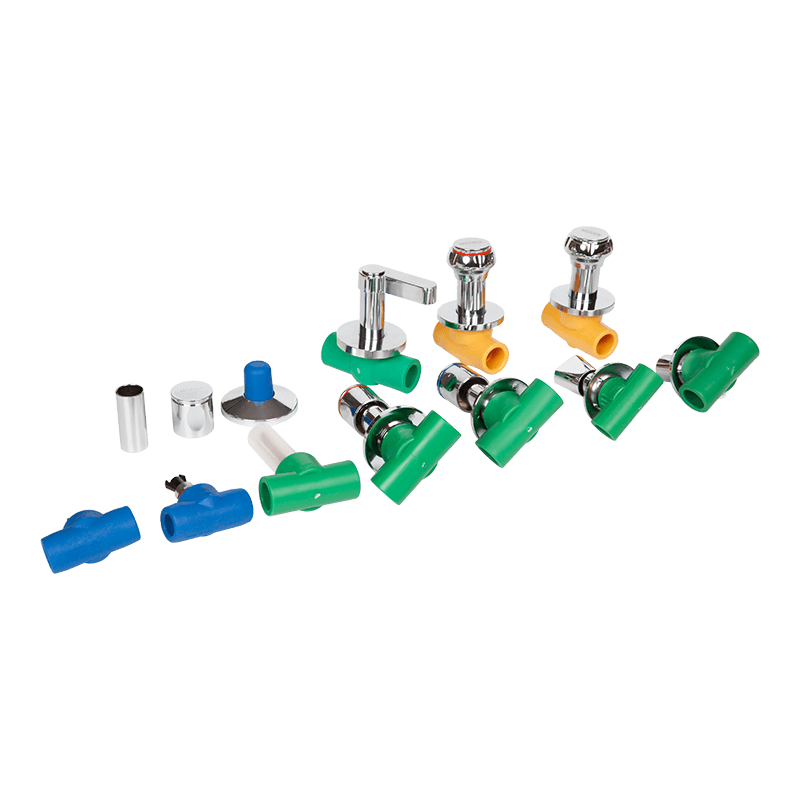
PPR (Polypropylene Random Copolymer) ball valves are commonly used in residential, commercial, and industrial piping systems due to their corrosion resistance, lightweight nature, and ease of installation. These valves control the flow of liquids through a spherical closure element that rotates within the valve body. While PPR ball valves are primarily designed for flow regulation and shut-off, questions often arise regarding their capacity to prevent reverse flow, or whether they inherently include anti-backflow or check-back features. Understanding the design characteristics and operational limitations of PPR ball valves is essential for engineers, plumbers, and facility managers when selecting components for piping systems.
Structural Characteristics of PPR Ball Valves
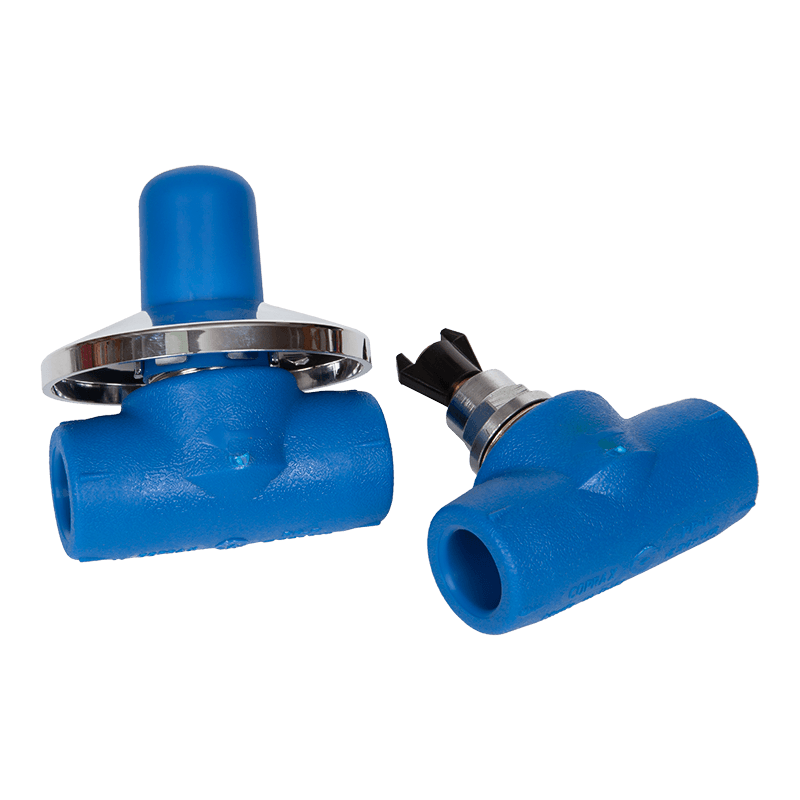
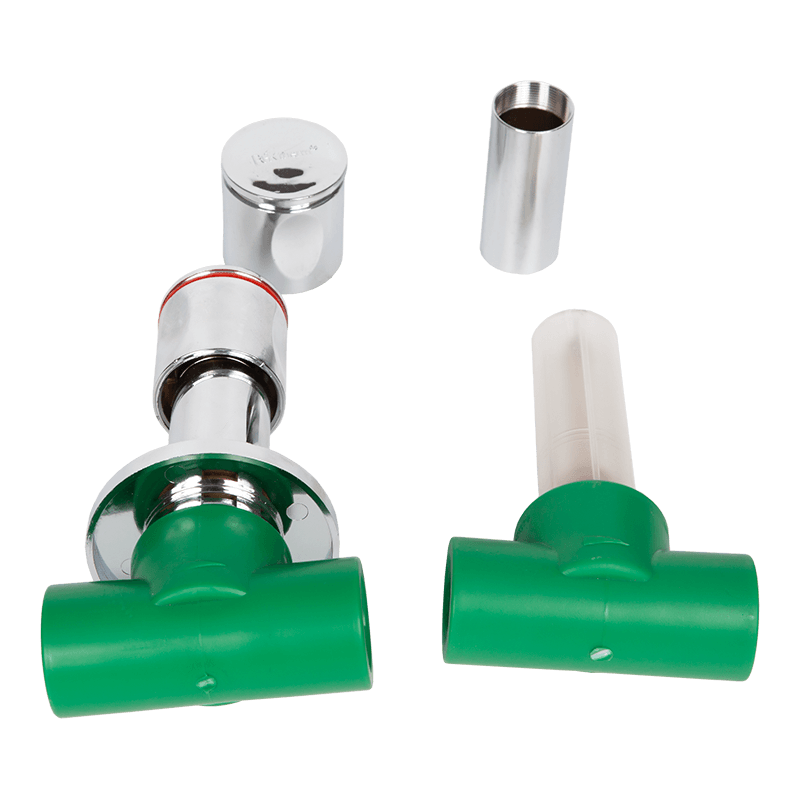
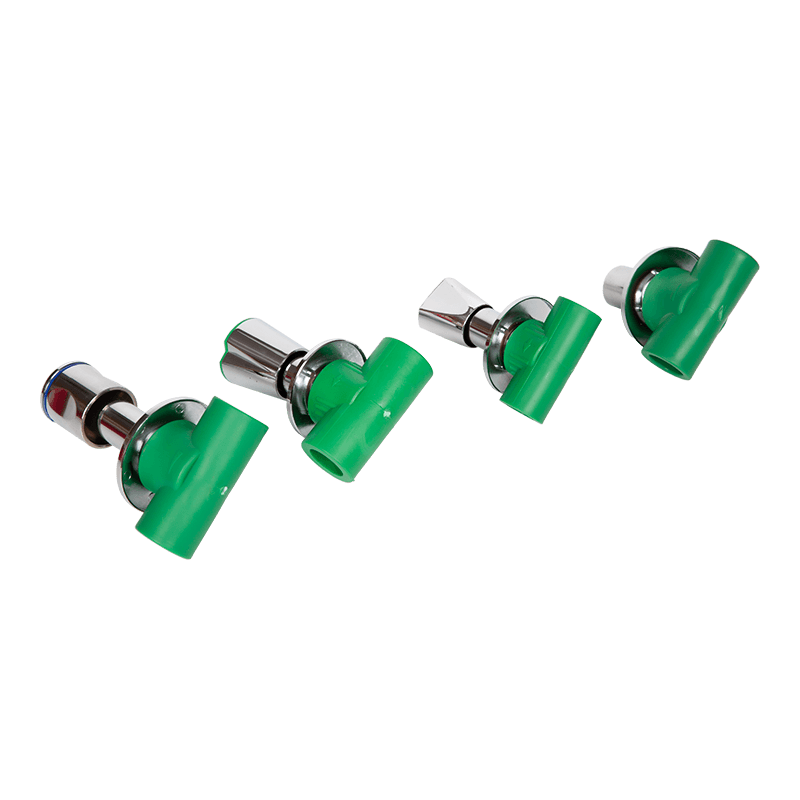
The core component of a PPR ball valve is the hollow, perforated ball inside the valve body. The ball aligns with the flow path to allow fluid to pass and rotates 90 degrees to block flow. The valve body, made from PPR material, provides chemical resistance and thermal stability for domestic water or low-pressure industrial applications. PPR ball valves are generally classified as two-way or three-way valves, depending on the number of ports and the intended flow configuration. Their design focuses on controlling the start, stop, or redirection of flow rather than preventing reverse flow under all conditions. The absence of additional check mechanisms means that standard PPR ball valves cannot guarantee anti-backflow without complementary devices.
Functionality Limitations Regarding Anti-Backflow
By default, PPR ball valves do not include built-in anti-backflow mechanisms. The spherical design allows fluid to flow in either direction when the valve is open, as there are no spring-loaded or flap-type elements to block reverse movement. In systems where backflow prevention is required, relying solely on a standard PPR ball valve may lead to issues such as contamination of potable water, pressure fluctuations, or malfunction of upstream components. Proper system design often involves pairing PPR ball valves with dedicated check valves or incorporating additional devices specifically engineered for backflow prevention. These precautions ensure that flow occurs only in the intended direction, maintaining system integrity and safety.
Integration with Check Valve Components
To achieve anti-backflow functionality in a system using PPR ball valves, designers typically install separate check valves in series with the ball valve. Check valves are designed with a spring or gravity-actuated disc that closes automatically when reverse flow is detected. This integration allows the PPR ball valve to retain its flow regulation function while the check valve ensures unidirectional flow. Placement considerations are important, including proximity to sensitive equipment, pumps, or water storage tanks. By combining these components, piping systems can achieve both flow control and anti-backflow protection without relying solely on the ball valve’s design.
Applications Requiring Backflow Prevention
Environments such as potable water supply systems, industrial chemical transfer lines, and heating or cooling circuits may require backflow prevention. In these scenarios, reverse flow can cause contamination, pressure surges, or damage to pumps and fittings. While PPR ball valves manage flow on-demand, integrating check valves ensures compliance with safety and regulatory standards. Some systems may use combination units where a PPR ball valve is mounted with a small integral check feature, although these are less common and typically designed for low-pressure applications. Understanding system requirements allows engineers to select the appropriate combination of valves to meet operational and safety criteria.
Comparison Between Standard PPR Ball Valves and Anti-Backflow Systems
| Feature | Standard PPR Ball Valve | PPR Ball Valve with Check Valve |
|---|---|---|
| Flow Direction | Bidirectional when open | Unidirectional, prevents reverse flow |
| Backflow Prevention | No built-in mechanism | Achieved through integrated or external check valve |
| Typical Applications | General flow control, shut-off in domestic and industrial pipelines | Potable water systems, pressurized pipelines, industrial chemical lines |
| Maintenance Requirements | Periodic inspection and lubrication | Additional inspection of check valve mechanism |
| Installation Considerations | Simple inline installation | Requires space for check valve placement and orientation |
Material Considerations for Anti-Backflow Integration
When pairing PPR ball valves with check valves, material compatibility is an important factor. Both components should resist chemical corrosion, thermal expansion, and mechanical stress under operating conditions. PPR is suitable for hot and cold water, mild chemicals, and low-pressure systems. Check valves can be constructed from PPR, PVC, or reinforced plastic to match operating conditions. Ensuring compatibility prevents premature wear, leaks, or material degradation that could compromise anti-backflow functionality. Material selection also affects long-term reliability and maintenance intervals.
Installation Best Practices
Correct orientation of check valves is critical for achieving effective backflow prevention. The check valve must be installed in the intended flow direction, with consideration of pressure drops and turbulence caused by bends or fittings. PPR ball valves should be installed with easy access for operation and maintenance. Regular inspection ensures that the ball valve seals correctly and that the check valve functions without obstruction. Clean installation environments reduce the risk of contamination or particulate interference with the anti-backflow mechanism.
Operational Monitoring and Maintenance
Monitoring the performance of PPR ball valves with integrated or separate check valves helps detect early signs of wear or malfunction. Indicators include unusual pressure changes, flow irregularities, or leakage. Routine maintenance involves checking seals, cleaning internal surfaces, and testing the check valve spring or disc action. Proper attention to operational conditions and scheduled maintenance ensures consistent anti-backflow performance and prolongs the service life of both ball valves and associated components.
System Design Considerations
When designing piping systems with PPR ball valves and anti-backflow requirements, engineers must consider pressure ratings, flow capacity, and the potential for reverse flow under different operating scenarios. Combining ball valves with check valves allows flexible control and unidirectional flow without introducing excessive pressure losses. System simulations or pilot testing can validate the effectiveness of the arrangement under expected operating conditions. Documentation of valve specifications, orientation, and maintenance procedures supports reliable and safe operation over time.
Conclusion on PPR Ball Valves and Anti-Backflow Functions
Standard PPR ball valves do not inherently provide anti-backflow or check-back functions. Effective prevention of reverse flow requires the integration of dedicated check valves or specially designed combination units. Understanding the limitations and capabilities of PPR ball valves, along with proper material selection, installation, and maintenance practices, allows engineers and facility managers to implement piping systems that meet operational, safety, and regulatory requirements. Utilizing both PPR ball valves and check valves in coordinated systems ensures controlled flow, prevents contamination, and supports long-term reliability.