 LANGUAGE
  English
 русский
 中文简体
中文简体Corrugated pipe is a flexible, high-strength piping solution widely used in drainage, electrical protection, and fluid transportation systems due to its durability, lightweight structure, and resistance to external pressure. In many infrastructure projects, corrugated pipes can withstand soil load pressures exceeding 10–20 kPa while maintaining structural integrity over long service cycles.
Core Function and Structural Advantages of Corrugated Pipe
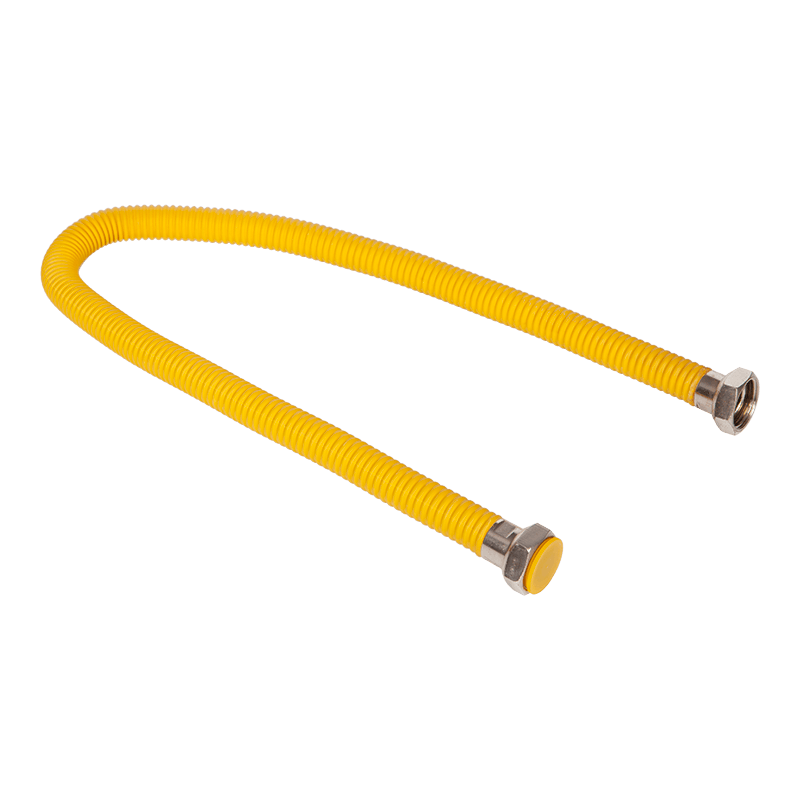
Corrugated pipe features a ribbed outer surface that enhances flexibility and load distribution. This design allows the pipe to absorb external stress without cracking, making it suitable for underground and exposed applications.
Compared to smooth-wall pipes, corrugated structures increase ring stiffness by up to 50–70%, significantly improving resistance against soil compression and dynamic loads such as traffic vibration.
Main Types of Corrugated Pipe
Single-Wall Corrugated Pipe
Single-wall corrugated pipe is lightweight and flexible, commonly used in drainage systems, agricultural irrigation, and cable protection.
Double-Wall Corrugated Pipe
This type features a smooth inner wall for efficient flow and a corrugated outer wall for strength. It is widely used in municipal drainage and sewer systems.
Spiral Corrugated Pipe
Spiral designs enhance structural integrity for large-diameter applications such as stormwater management and industrial fluid transport.
Reinforced Corrugated Pipe
Reinforced pipes include steel or composite layers to handle high-pressure environments, often used in mining and heavy infrastructure projects.
Material Selection and Performance Characteristics
Corrugated pipes are manufactured using various materials depending on environmental conditions, pressure requirements, and chemical exposure.
| Material | Strength | Flexibility | Common Use |
|---|---|---|---|
| HDPE | High | Very High | Drainage, sewage systems |
| PVC | Medium | Medium | Electrical conduit, light drainage |
| PP (Polypropylene) | High | High | Industrial fluid transport |
In underground infrastructure projects, HDPE corrugated pipes are preferred due to their ability to resist chemical corrosion and maintain flexibility under temperature variations from -40°C to 60°C.
Installation Methods and Engineering Considerations
Proper installation ensures long-term performance and prevents structural deformation under load.
- Prepare trench base with compacted sand or gravel bedding
- Lay pipes with proper slope for gravity-assisted flow
- Connect sections using sealing gaskets or couplers
- Backfill in layers to avoid uneven pressure distribution
Improper backfilling can reduce pipe lifespan by more than 30% due to uneven stress concentration and deformation.
Advantages in Drainage and Infrastructure Systems
Corrugated pipes are widely adopted in modern infrastructure because they combine structural strength with installation efficiency.
- Lightweight design reduces transportation and installation cost
- High flexibility allows use in uneven terrain
- Excellent corrosion resistance for long-term underground use
- Long service life exceeding 50 years in standard conditions
Municipal engineering data shows that switching to corrugated pipe systems can reduce maintenance costs by 20–35% over a 10-year lifecycle.
Applications Across Different Industries
Corrugated pipes are used across multiple sectors due to their adaptability and cost efficiency.
- Municipal drainage and sewer networks
- Agricultural irrigation systems
- Electrical and communication cable protection
- Industrial wastewater discharge systems
In highway construction, corrugated pipes are commonly used for culvert systems, where they can handle heavy traffic loads exceeding HS-20 truck loading standards.